Help Us Spread The News By Sharing These Articles With Others:
|
If the economy is improving, then why are many of the largest retail chains in America closing hundreds of stores? When I was growing up, Sears, J.C. Penney, Best Buy and RadioShack were all considered to be unstoppable retail powerhouses. But now it is being projected that all of them will close hundreds of stores before the end of 2013. Even Wal-Mart is running into problems. A recent internal Wal-Mart memo that was leaked to Bloomberg described February sales as a "total disaster". So why is this happening? Why are major retail chains all over America collapsing? Is the "retail apocalypse" upon us? Well, the truth is that this is just another sign that the U.S. economy is falling apart right in front of our eyes. Incomes are declining, taxes are going up, government dependence is at an all-time high, and according to the Bureau of Labor Statistics the percentage of the U.S. labor force that is employed has been steadily falling since 2006. The top 10% of all income earners in the U.S. are still doing very well, but most U.S. consumers are either flat broke or are drowning in debt. The large disposable incomes that the big retail chains have depended upon in the past simply are not there anymore. So retail chains all over the United States are now closing up unprofitable stores. This is especially true in low income areas. (Read More....)
[...]
The U.S. economy is in a massive amount of trouble. There aren't enough jobs. There isn't enough money to go around. Business activity is slowing down again. Household wealth has been falling. Food prices have been rising. Many state and local governments all over the country are flat broke and are drowning in debt. The federal government has been rolling up unprecedented amounts of debt in an attempt to keep things going, but everyone knows that kind of borrowing is simply unsustainable. So where do we go from here? We consume far more than we produce and we use debt to make up the difference. 40 years ago the total amount of debt in America (government, business and consumer) was less than 2 trillion dollars. Today it is nearly 55 trillion dollars. How in the world did we let the total amount of debt in the United States grow more than 27 times larger over the past 40 years? Our economic system is fundamentally broken, but most Americans don't realize it yet because times are still relatively good. (Read More....)
[...]
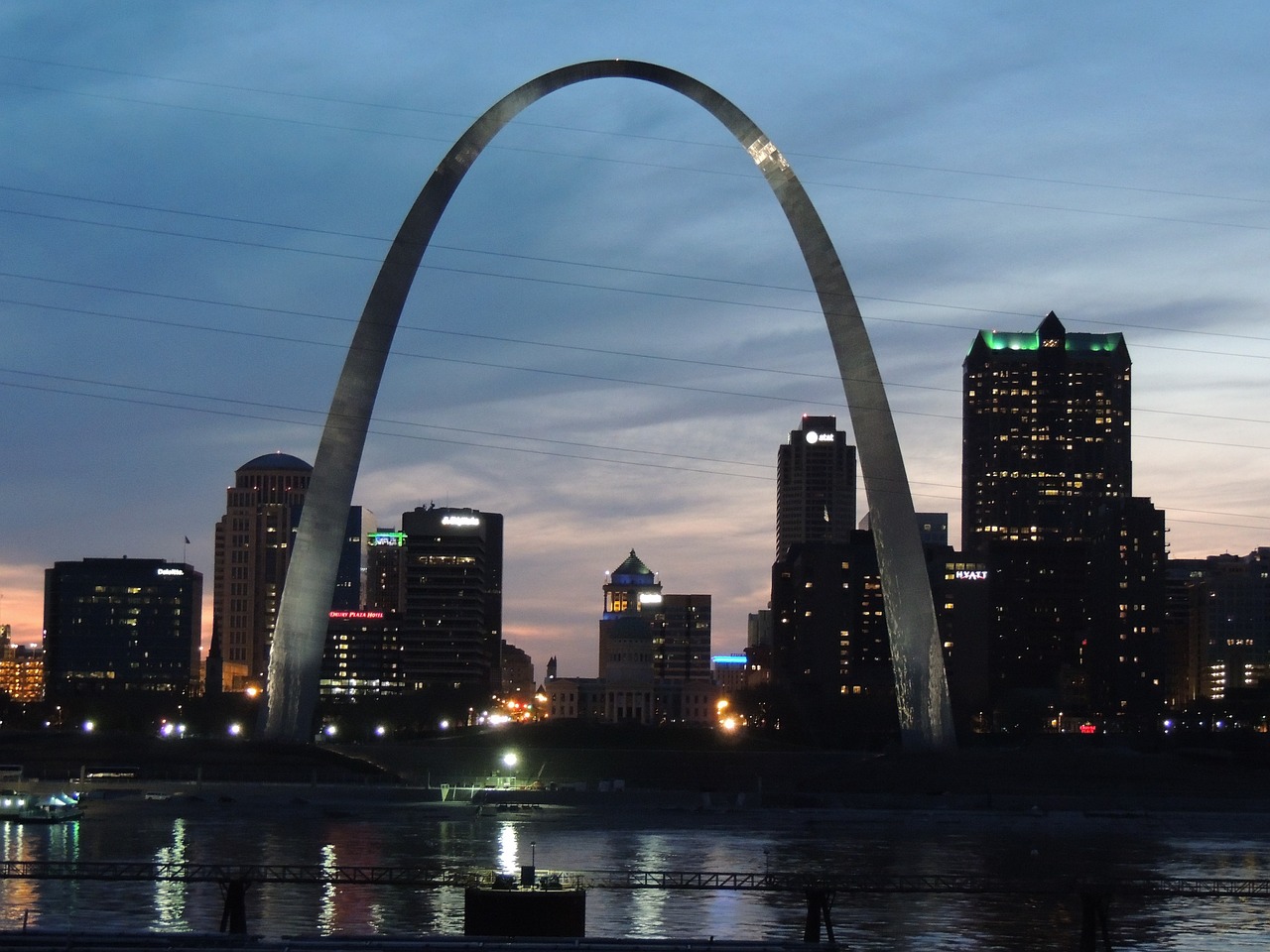
If you want to know what the early stages of an economic collapse look like, just walk around some of the downtown areas of our major cities. Today, nearly all large U.S. cities are either flat broke or they are on the way to being flat broke. Yes, New York City and Washington D.C. (and a few others) are still doing fairly well, but for most U.S. cities economic reality is catching up with them very quickly. Right now, there are a number of major cities that are so broke that they cannot keep the street lights operating. Down in St. Louis, parents in some areas are carrying golf clubs with them as they walk their kids to school in order to fend off roving packs of wild dogs. In other major U.S. cities, open-air drug markets conduct business without fear. All over the United States, cities that used to be clean and prosperous and full of hope are now being transformed into post-industrial wastelands. We are certainly not in "Mad Max" territory yet, but it doesn't take too much imagination to see where all of this is headed. (Read More....)
[...]
The crumbling U.S. economy is putting an extraordinary amount of financial stress on American families. For many Americans, "flat broke" has become a permanent condition. Today, over half of all American families live paycheck to paycheck. Unemployment is rampant and those that do actually have jobs are finding that their wages are rising much more slowly than prices are. The financial condition of average American families continues to decline and this is showing up in all of the recent surveys. For example, according to a new Gallup poll, "lack of money/low wages" is the number one financial concern for American families. To make ends meet, many American families are going into even more debt and more American families than ever are turning to government assistance. Right now, more Americans than at any other point since World War II are flat broke and have lost hope. Until this changes, the frustration level in this country is going to continue to grow. (Read More....)
[...]
|
|
|